

The Rise of Pickleball: How It's Transforming Tennis Courts in the USA
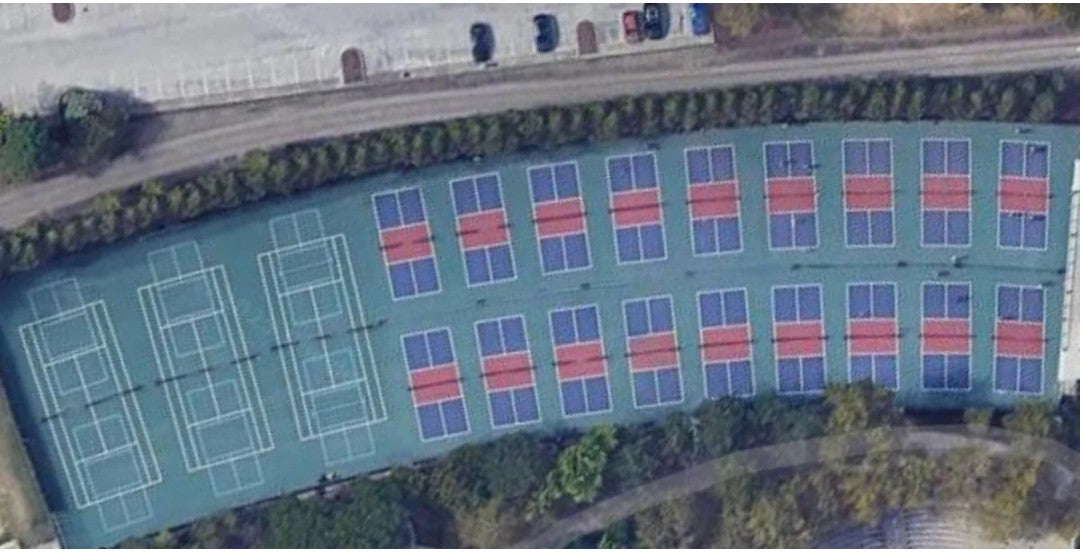
Pickleball is taking over tennis courts, redefining the sporting landscape in the U.S. at an astonishing pace. This phenomenon has rapidly emerged as one of the fastest-growing sports in the country, and the New York Times recently highlighted this transformation in a revealing article.
The newspaper's analysis revealed that, since the beginning of the pandemic, thousands of tennis courts have been converted into pickleball courts. In this article, we will explore how and why pickleball is expanding so rapidly, as well as examine the economic and cultural impact of this change.
The Expansion of Pickleball: Numbers and Impact
Using nearly 100,000 aerial photographs, the New York Times identified more than 26,000 pickleball courts that have sprung up in the last seven years. This impressive growth has occurred primarily at the expense of tennis courts, with more than 8,000 of them being converted.
The impact was felt in various regions of the US, where the pandemic boosted interest in outdoor activities and pickleball proved to be an accessible and inclusive option. This rapid transformation reflects a significant shift in the preferences of American athletes.
The growth of pickleball can be attributed to several factors, including its accessibility and the ease with which it can be played by people of all ages. This sport offers a viable and fun alternative to traditional tennis, attracting a new generation of players.
Economic Advantages for Businesses and Communities
A notable example of this transition is the Santa Monica Pickleball Center, where Jon Neeter decided to shift the focus of his operation from tennis to pickleball. This strategic decision resulted in a significant increase in revenue, multiplying earnings sevenfold.
From an economic standpoint, pickleball has generated substantial benefits for sports centers and local communities. The ability to accommodate more players simultaneously and offer a variety of programs makes this transition especially lucrative.
Sports centers can now diversify their activities, offering everything from children's camps to competitive programs.
- Camps for children
- Competitive training
- Lessons at different skill levels
The Cultural Impact of Pickleball
Pickleball has not only won over different age groups, but has also broken down barriers by attracting players of all skill levels. This growing popularity is evidenced by the massive adoption of the sport in communities across the country.
Historically, there have been tensions between tennis and pickleball players, but these tensions have begun to ease. The creation of dedicated pickleball courts has helped to alleviate these conflicts, promoting a more harmonious coexistence between the two sports.
The future of pickleball looks bright, with predictions of continued growth and a strengthened presence in the sporting landscape. Its peaceful coexistence with tennis suggests a promising path for both sports.
The Role of Dedicated Pickleball Courts
The increase in dedicated pickleball courts has played a crucial role in reducing conflict. With the growth of stand-alone courts, the sport can continue to expand without harming spaces dedicated to tennis.
The popularity of these independent courts has grown, providing players with a dedicated space and reducing tensions with tennis players. This evolution has a positive impact on the local sporting dynamics.
As pickleball continues to grow, it offers a new perspective on how racquet sports can evolve and coexist. Communities embrace this change, fostering a more inclusive sporting environment.
Final Reflections and Next Steps
The growth of pickleball in the U.S. is a testament to its popularity and cultural impact. This sport has not only transformed tennis courts, but has also revitalized communities and generated new economic opportunities.