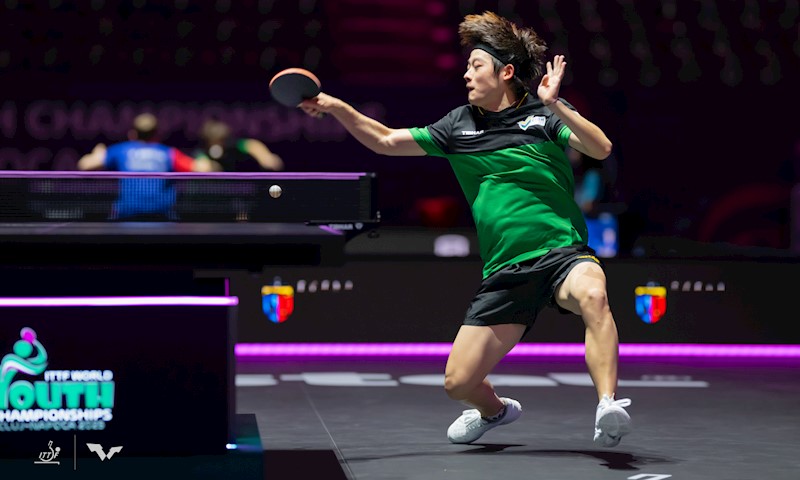


Impact of the Sports Incentive Law on Brazilian Table Tennis
The president of the Brazilian Table Tennis Confederation (CBTM), Vilmar Schindler, celebrates a historic milestone for Brazilian sport: the enactment of the Sports Incentive Law. This new legislation promises to transform the sporting landscape, offering security and continuity for athletes and officials.
In recent years, sports in Brazil have faced significant challenges due to a lack of financial stability. With the unanimous approval of the LIE (Law of Incentive to Sports), a new chapter begins, promising a brighter future for sports, especially for disciplines like table tennis.
The Importance of the Sports Incentive Law
The Sports Incentive Law was created to offer solid financial support to the sports sector. The unanimous approval of the law demonstrates the importance of government support for sports, guaranteeing stability and long-term planning.
According to Vilmar Schindler, the LIE (Law of Incentive to Sport) will be a watershed moment. Previously, the lack of financial security hampered planning. Now, with the LIE, there is a firm commitment to continuous support, which is essential for the development of the sport.
The benefits for national sport are vast. Financial stability will allow not only the maintenance but also the expansion of sporting projects, encouraging new talent and improving infrastructure.
The Role of the Brazilian Table Tennis Confederation
The Brazilian Table Tennis Confederation (CBTM) has a long history of promoting and developing the sport in the country. Under Schindler's leadership, the CBTM seeks to elevate table tennis to new heights.
Before the LIE (Law of Incentive to Sport), CBTM (Brazilian Table Tennis Confederation) faced significant challenges, such as budget instability and difficulty in securing sponsorships. Schindler highlighted the importance of solid planning, which is now feasible thanks to the Law.
With the new legislation, the expectation is that table tennis will grow in popularity and competitiveness. CBTM intends to invest in incentive programs for young athletes and expand the reach of the sport.
Benefits of LIE for Athletes and Communities
LIE provides athletes with expanded access to resources and training, facilitating their preparation and performance. Many athletes have already benefited from previous incentives, but now the support will be even greater.
The impact on local communities is also significant. The development of sports infrastructure and social programs promotes inclusion and development through sport.
-
Sports infrastructure development
-
Social and inclusion programs
-
Support for various sports disciplines
Table tennis is just one of the many sports that will benefit. The law creates a positive precedent for other sports as well.
Future Perspectives and Sustainability in Sport
The future of CBTM and Brazilian sport is promising. Schindler shares ambitious goals that are now more attainable thanks to the Sports Incentive Law.
LIE will play a crucial role in promoting the sport at the national and international levels, increasing Brazil's visibility in global competitions and improving its recognition.
Furthermore, the law can inspire new public policies that continue to support and develop sport in Brazil. Successful examples in other countries demonstrate the potential of such initiatives.
Get involved with the future of Brazilian sport.
The Sports Incentive Law marks a new beginning for table tennis and other sports in Brazil. With financial security and solid planning, the future is bright for athletes and communities.
Want to learn more about how LIE can transform the sport? Share your thoughts, visit the CBTM website for updates, or subscribe to our newsletter to stay informed about the next steps.